Sonmarg

Sonmarg Sonmarg, meaning “Meadow of Gold,” is a stunning hill station located in the Ganderbal district of Jammu and Kashmir, India. Known for its breathtaking natural beauty, it is a paradise for nature lovers, adventure enthusiasts, and travelers seeking peace and tranquility. Sonmarg is a destination that offers a perfect mix of adventure, natural beauty, and cultural significance. Whether you want to trek to serene alpine lakes, marvel at the glaciers, or simply relax amidst nature, Sonmarg has something for everyone.It is surrounded by snow-capped Himalayan peaks, lush green meadows, and dense forests of fir and pine. It offers a postcard-perfect landscape that attracts visitors year-round. The region is home to diverse wildlife, including Himalayan bears, musk deer, and snow leopards. The alpine meadows are dotted with colorful flowers during the summer months. Summer (May to September): The weather is pleasant, making it the best time for sightseeing and outdoor activities. Winter (November to March): Heavy snowfall transforms Sonmarg into a winter wonderland, offering opportunities for skiing and snowboarding. Places to Visit Gangabal Lake Gangabal Lake, often referred to as the “Haridwar of Kashmir,” is a high-altitude alpine lake located at the foothills of Mount Harmukh in the Ganderbal district of Jammu and Kashmir, India. It is a pristine and sacred destination known for its breathtaking beauty and spiritual significance. The lake is surrounded by snow-capped peaks, lush green meadows, and alpine flora, creating a stunningly tranquil atmosphere. The crystal-clear waters of the lake reflect the majestic Harmukh Mountain, offering spectacular views. The lake is renowned for trout fishing, particularly for rainbow and brown trout. Fishing enthusiasts require a permit to fish here. Baltal Valley Baltal Valley is an ideal destination for pilgrims, adventure enthusiasts, and nature lovers. Its strategic location, natural beauty, and serene environment make it a must-visit spot in Kashmir. Surrounded by snow-capped peaks, green meadows, and dense forests, Baltal offers a tranquil retreat into nature. The valley is located alongside the Sindh River, which adds to its charm with its gushing waters. Summer (June to September): Ideal for sightseeing, trekking, and the Amarnath Yatra. Winter (October to May): The valley is covered in snow and mostly inaccessible due to harsh weather conditions.

Vaishnu Devi temple

Vaishnu Devi Temple The Vaishno Devi Temple is one of the most revered Hindu pilgrimage sites in India. It is located in the Trikuta Mountains near Katra, in the Union Territory of Jammu and Kashmir. The temple is dedicated to Mata Vaishno Devi, an incarnation of the Hindu Goddess Durga. It is believed that visiting the shrine fulfills devotees’ wishes, as Mata Vaishno Devi represents Shakti (power), Bhakti (devotion), and Moksha (liberation).The temple is situated inside a cave, where the deity manifests in the form of three natural rock formations called Pindis, representing the Goddesses Maha Kali, Maha Lakshmi, and Maha Saraswati.Devotees undertake a 13-kilometer trek from the base camp at Katra to reach the Bhawan (main shrine complex).Options like pony rides, palanquins, and helicopter services are available for those unable to walk.Additional AttractionsArdhkuwari Cave: A midway point where Mata Vaishno Devi is believed to have meditated for nine months.Bhairon Temple: Visiting this temple after Vaishno Devi Bhawan is considered essential to complete the pilgrimage.

Gulmarg, Kashmir

Gulmarg Gulmarg literally means “Meadow of flowers”. Gulmarg is located 60 KMs away from Srinagar which is an hour and half journey by car. Gulmarg has attracted millions of tourists throughout its existence with the scenic beauty of the Himalayan Mountains in the back drop. One of the main attractions in Gulmarg is the Gulmarg Gondola, the Highest Cable Car in the world. The 1st phase of the Gondola takes tourists to the height of 8530 ft to Kongdori Station and the second stage of the Gondola goes up to the height of 12293 ft. Tourists can enjoy horse Riding and can go riding to the magnificent “Strawberry Valley” , Leopards Valley and ride up to “Kongdori” to see the frozen lake of “Al- Pathar”. Gulmarg in winter is a magnificent experience, fully covered in a white blanket of Snow which turns it into a skiers paradise. The natural slopes here are untouched and prove to be a challenge to ace skiers! Besides the scenic side to Gulmarg, winter time in Gulmarg is a season of festivities with celebrations of “White Christmas” and New Year parties.Gulmarg has been a resort for the kings like Yousuf Shah Chak and Jahangir who used to visit frequently. The old name of Gulmarg was “Gaurimarg”, the name of Lord Shiva’s wife. Yousuf Shah Chak changed its name to Gulmarg, meaning the place of roses. During the early part of the 20th century the famous Central Asian explorer Sir Marc Aurel Stein (1862–1943), made his home here in a tent between his expeditions. It was a favourite summer holiday destination for the British stationed in India Places to visit in Gulmarg Rani Temple: Maharani Temple, also known as Rani Temple, is situated at a knoll amidst the Gulmarg Hill station. The temple was constructed by Mohini Bai Sisodia, wife of former ruler of Kashmir, Maharaja Hari Singh, whose reign ended in the year 1915. In ancient times, this temple was considered as the royal temple of the kings of Dogra. This temple, also renowned as Mohineshwar Shivalaya, is designed in such a way that it can be seen from all corners of Gulmarg. The idols of the Hindu god of destruction, Shiva, and his consort, Goddess Parvati, are enshrined here. The temple is visited by the devotees of Shiva and Parvati through all seasons. The peaceful surroundings of the place also allow visitors to meditate in peace. Alpather Lake: Alpather Lake is a small yet scenic alpine lake lying at the foothills of the twin Apharawat Peaks. The lake is situated at an altitude of 14400 feet and stays frozen for more than half the year. That is why it is more popularly known as the Frozen Lake among locals. While the frozen lake in Winter presents an ethereal snow-covered view, Summers brings out the enchanting emerald Lake into life with the otherwise stark landscape flecked with wild flowers.The lake can only be reached by trek from Gulmarg. As it is an offbeat place and is visited by very few people, the serenity it offers is unparalleled. But it is not just the charm of the lake, but the journey that makes it the experience of a lifetime Ningle Nallah: Located 10 kilometres away from Gulmarg, Ningle Nallah is a river surrounded by snow-capped peaks and verdant fields from every direction.The river’s water originates from the melting ice in Apharwat Peak and Alpather Lake, serving as its primary source. It’s a favourite spot for outdoor activities like picnics and camping.This area is particularly favoured for family excursions, making it an excellent destination for families with children.Ningle Nallah in Gulmarg Kashmir is a renowned river known for its pristine, crystal-clear waters that originate from the melting ice atop the Apharwat mountain peak in Gulmarg.  What to do at Ningle Nallah The allure of this river is enhanced due to the presence of snow-capped mountains and verdant pastures.As Ningle Nallah, Gulmarg Kashmir winds through mountains and valleys in Kashmir, it eventually joins the Jhelum River, nature enthusiasts love Ningle Nallah for tourist places offering unique and calming experiences.Enjoy a family picnic across Ningle Nallah GulmargNot everyone visits Ningle Nallah for tourist places, some people just want to spend a peaceful time in nature’s lap.This place provides the serenity, calmness, and positivity needed to get rid of the daily- routine stress and the busy city life.Families prefer having picnics and spending time with their loved ones, the old-school way after visiting places to explore in Ningle Nallah Gulmarg Kashmir.The lush green meadows, gurgling Ningle Nallah River, and towering Himalayas in the background, make for the perfect environment for a relaxing getaway Go Fishing at Ningle Nallah in Gulmarg KashmirFishing enthusiasts can also enjoy fishing in the Ningle Nallah River.It is popular for its trout fishing, and lovers of the sport can relish the thrill of reeling in this sought-after species in the transparent waters.Nonetheless, it’s important to get the required licences before participating in fishing endeavours. The allure of this river is enhanced due to the presence of snow-capped mountains and verdant pastures.As Ningle Nallah, Gulmarg Kashmir winds through mountains and valleys in Kashmir, it eventually joins the Jhelum River, nature enthusiasts love Ningle Nallah for tourist places offering unique and calming experiences.Enjoy a family picnic across Ningle Nallah GulmargNot everyone visits Ningle Nallah for tourist places, some people just want to spend a peaceful time in nature’s lap.This place provides the serenity, calmness, and positivity needed to get rid of the daily- routine stress and the busy city life.Families prefer having picnics and spending time with their loved ones, the old-school way after visiting places to explore in Ningle Nallah Gulmarg Kashmir.The lush green meadows, gurgling Ningle Nallah River, and towering Himalayas in the background, make for the perfect environment for a relaxing getaway Go Fishing at Ningle Nallah in Gulmarg KashmirFishing enthusiasts can also enjoy fishing in the Ningle Nallah River.It is popular for its trout fishing, and lovers of the sport can relish the thrill of reeling in

Leh

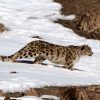
Leh Leh  is a popular destination for those seeking adventure, breathtaking landscapes, and cultural exploration. Leh tours generally take place between May and September, as winter months are very cold and snow blocks some roads. Visiting Leh is an incredible experience, offering a chance to explore the unique culture, rugged landscapes, and spiritual sites of the Northern region Best Time to Visit Summer (May to September): Ideal for exploring, with pleasant weather. Winter (October to March): Perfect for those seeking snow and the Chadar Trek on the frozen Zanskar River. Travel Tips Acclimatization: Leh is at a high altitude (~11,500 ft). Spend a day or two acclimatizing. Pack Warm Clothes: Even in summer, nights can be chilly. Permits: Obtain Inner Line Permits for Nubra Valley, Pangong, and other restricted areas. Health: Stay hydrated and avoid strenuous activities on the first day. Places to visit in Leh Pangong Tso: Pangong Tso, or Pangong Lake, is one of the most iconic destinations in Ladakh, located at an altitude of 4,350 meters (14,270 feet) above sea level. Known for its striking beauty and crystal-clear waters, the lake is a must-visit for anyone traveling to the region. The unique features of the lake are; The lake’s color changes from azure to green to various shades of blue depending on the time of day and light conditions. A saline water lake that freezes completely in winter despite its high salinity. The journey takes you through breathtaking landscapes and the Chang La Pass, one of the highest motorable passes in the world. Khardung la: Khardung La, located at an altitude of 5,359 meters (17,582 feet), is one of the world’s highest motorable mountain passes and a gateway to the Nubra Valley and Shyok regions of Ladakh. It’s a must-visit for adventure seekers and offers breathtaking views of the surrounding Himalayan ranges.Things to Do Photography: Capture the mesmerizing landscapes and the iconic Khardung La signboard. Enjoy the Snow: Play in the snow and enjoy the chilly winds at this altitude. Biking Adventure: Popular among bikers, Khardung La is part of the famous Manali-Leh route. Sip Tea at the Top: Relish a cup of hot tea at the army-run café. Thiksey Monastery: Thiksey Monastery, located about 19 km from Leh, is one of the most beautiful and largest monasteries in Ladakh. Perched atop a hill, it is often compared to the Potala Palace in Lhasa, Tibet, due to its stunning architecture and layout. Architectural Marvel: The 12-story monastery houses 10 temples, prayer halls, a nunnery, and monks’ quarters.Its terraced structure provides a panoramic view of the Indus Valley. A 15-meter (49-foot) tall statue of Maitreya Buddha, the largest in Ladakh, occupies two floors of the monastery. Home to over 100 monks, the monastery is a center for Buddhist learning and meditation. Gurdwara Pathar Sahib Gurdwara Pathar Sahib is a sacred Sikh shrine located about 25 kilometers from Leh, in the Ladakh region of India. It is dedicated to Guru Nanak Dev Ji, the founder of Sikhism, and commemorates an important event during his journey to Ladakh in the early 16th century. Significance According to Sikh tradition, Guru Nanak Dev Ji visited this region during his second Udasi (missionary journey). A local demon attempted to harm him by rolling a massive boulder (pathar) towards him while he was meditating. However, the boulder softened upon touching the Guru and bore the impression of his body, protecting him. Seeing this miraculous event, the demon realized his mistake, sought forgiveness, and became a devotee of Guru Nanak. The boulder with the imprint of Guru Nanak Dev Ji’s body is preserved inside the Gurdwara and is the centerpiece of devotion. Hall of Fame The Hall of Fame in Leh, is a renowned museum and war memorial dedicated to the soldiers of the Indian Army, particularly those who sacrificed their lives in the Indo-Pak wars, including the famous Kargil War. It is managed by the Indian Army and serves as a tribute to their bravery and dedication. The museum honors the soldiers who fought bravely in various conflicts, including the Kargil War and other operations in the region. The Hall of Fame is not just a war museum but also a place of inspiration and patriotism. It gives visitors a deep appreciation of the sacrifices made by soldiers while offering insights into the region’s history and culture. Hemis National Park Hemis National Park, located in the Leh region of northern India, is a stunning high-altitude park renowned for its unique biodiversity and breathtaking landscapes. It is one of the largest national parks in India and a major attraction for nature enthusiasts and wildlife lovers. It covers an area of 4,400 square kilometers, making it one of the largest protected areas in the country.Hemis National Park is particularly famous for being the Snow Leopard Capital of India. It hosts a variety of rare and endangered species like: Mammals:Snow Leopard (the star attraction), Tibetan wolf , Eurasian brown bear, Red fox, Blue sheep (Bharal), Himalayan marmot Birds:Golden eagle, Himalayan vulture, Lammergeier (bearded vulture), Snowcock, Chukar partridge Leh Royal Palace The Leh Royal Palace, also known as Leh Palace, is a historical marvel located in the heart of Leh. Built in the 17th century, it is a nine-story structure that once served as the residence of the royal family of Ladakh. The palace is renowned for its architectural beauty and offers a glimpse into the region’s history and culture. Built by King Sengge Namgyal in the 1600s, the palace was inspired by the architectural style of the Potala Palace in Lhasa, Tibet. The palace is made of stone, mud, wood, and sand, showcasing traditional Tibetan-style architecture.It is designed to withstand the harsh weather conditions of Leh.

Login